

Debating Housing Policy
March 24, 2013
 I chair the regular NLA London Regional seminar sponsored by Edmund Cude at the Institute of Directors. This month we were looking at the un-joined-up housing policy of the current government, proposals from shadow housing minister Jack Dromey MP, welfare reform impacts in Hackney presented by Jennifer Wynter and realistic strategies for dealing with rogue landlords. Mira Bar-Hillel from the Evening Standard joined us for the panel discussion to stir things up.
My thesis on un-joined up housing policy consisted of a critical analysis of some […]
 Over 660,000 tenants will be affected by the government’s bedroom tax – or under occupancy penalty to give it its official title – from 1 April 2013. The aim of the policy is to reduce the £20 billion annual housing benefit bill by £1 billion over two years and create a fairer system within the social rented sector.
 The absurdity of Newham’s borough wide licensing scheme became clear this week as it emerged that of the estimated 35,000 privately rented properties in the borough only 19,000 – or 54% – have actually applied for the license, according to a letter sent by the council to me and other Newham landlords. That means that instead of focusing resources on finding rogue operators, council staff will now have to trace these 16,000 properties. The deadline for applications was 31 January 2013.
 Welfare Reform Minister, Lord Freud, spoke at the National Landlords Association conference in the Midlands on 31 October 2012. He was concise, thoughtful, engaging and positive about the contribution of the private rented sector. He outlined the government’s philosophy behind the welfare reforms and said that the mass exodus of landlords and huge population shifts that some had forecast had not materialised.
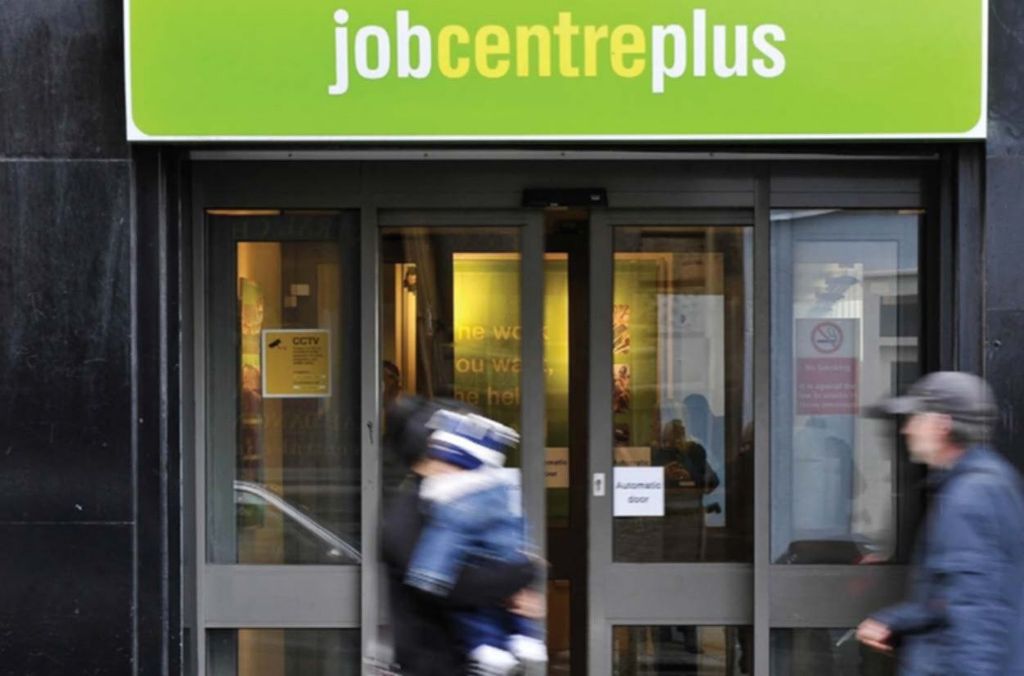 I’ve been to six welfare reform presentations in different boroughs across London and the picture is extremely worrying. Major changes in benefits regimes are all being brought in on 1 April 2013. These are on top of changes brought in over the last 12 months. These changes are beginning to impact landlords and tenants in the private sector. But the area worst hit will be London and we are going to see unprecedented housing problems.